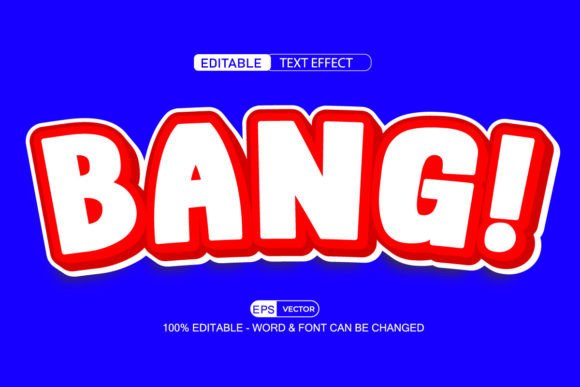
Bang 3D Editable Text Effect Vector: A Practical Tool for Creative and Professional Workflows
For designers, marketers, educators, and anyone involved in visual content creation, having the right tools can make a significant difference in productivity and quality. One such tool that has gained popularity is the Bang 3D Editable Text Effect Vector. This design asset offers an elegant solution for those who want to add dynamic text elements to their projects without compromising on flexibility or quality. Whether you're working on branding materials, social media posts, presentations, or educational resources, this vector-based file format provides a seamless way to integrate visually appealing text into your workflow.
What Is Bang 3D Editable Text Effect Vector?
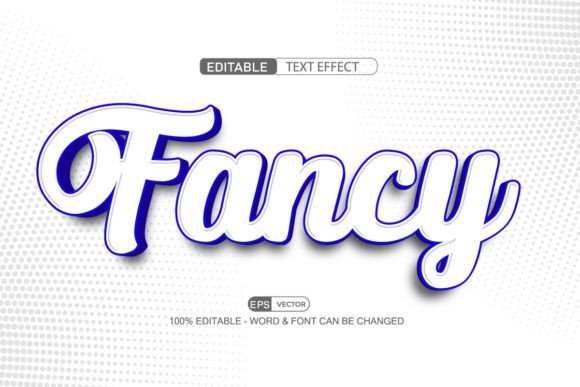
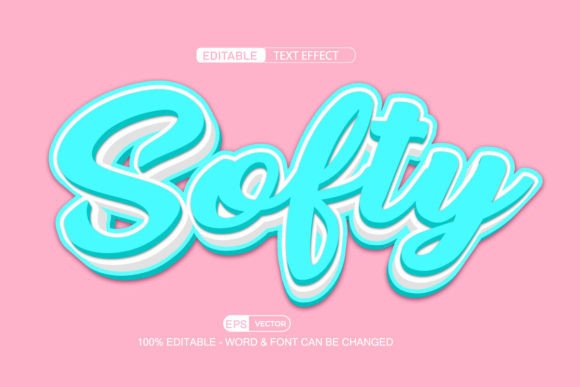
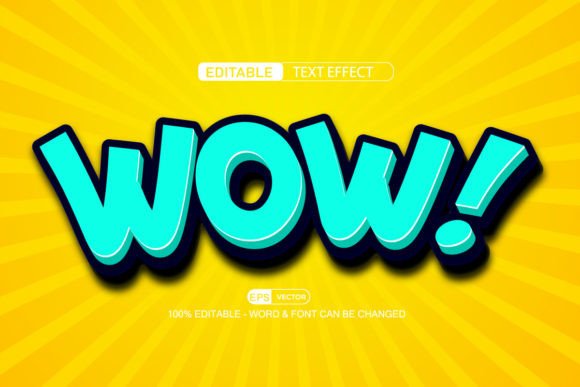
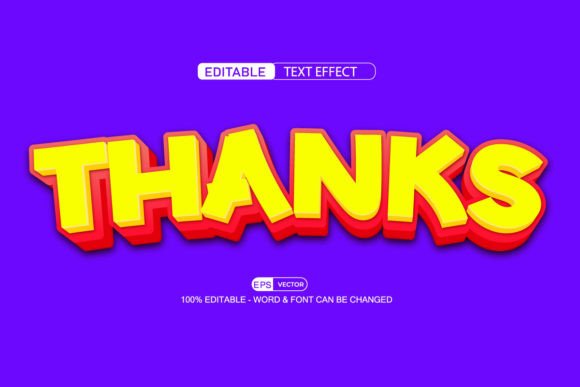
The Bang 3D Editable Text Effect Vector is an Adobe Illustrator template that includes a stylized 3D text effect with editable properties like font, size, color, and layout. Unlike static images, these vectors are resolution-independent, meaning they maintain clarity at any scale—perfect for both digital and print applications. The design comes in EPS (Encapsulated PostScript) format, which is widely compatible with most vector editing software, including Adobe Illustrator, CorelDRAW, and Inkscape.
This template is especially useful for users who need to frequently adjust text elements but may not have advanced graphic design skills. With its intuitive setup, you can simply click on the text layer and begin editing, making it a time-efficient option for quick updates or customizations.
Integration Into Your Workflow
Integrating the Bang 3D Editable Text Effect Vector into your creative process depends largely on the project's scope and requirements. Here’s how it fits into various stages:
Before the Project Starts
During the planning phase of a design project, using a pre-made text effect like this one can help visualize the final output early on. For example, when designing promotional banners for a product launch, you can use the 3D text as a placeholder to see how headlines might look before finalizing copy or branding assets. It also helps in setting expectations with stakeholders by providing a clear aesthetic direction.
During Design Execution
Once the project is underway, the Bang 3D Editable Text Effect Vector becomes a valuable component in the execution phase. Its editable nature allows for rapid iterations based on feedback. If a client wants to change the headline wording or adjust the font style for better readability, you can do so quickly without needing to rebuild the entire text effect from scratch.
Moreover, because it's a vector file, it plays well with other design elements. You can easily combine it with logos, icons, or background graphics while maintaining the integrity of the composition. This makes it ideal for layered projects where multiple assets interact visually.
After Completion
Even after the main design work is done, this vector can be repurposed for variations of the same project. For instance, if you created a poster with this text effect and now need a smaller version for online ads, the scalable nature of the vector ensures it looks sharp regardless of size. You can also archive the file for future use, adjusting words and styles as needed for new campaigns or events.
Practical Use Cases Across Industries
Its versatility means the Bang 3D Editable Text Effect Vector can serve many different industries and purposes. Here are some examples:
- Marketing and Advertising: Use it for creating attention-grabbing headlines on posters, billboards, and digital ads. The 3D effect adds depth and dimension, helping key messages stand out.
- Education and Presentations: Incorporate it into slides or infographics to highlight important points or titles. Teachers and presenters often find that visual hierarchy improves audience engagement and retention.
- Branding and Logo Development: When brainstorming brand identities or taglines, this text effect can provide a strong visual foundation that aligns with modern design trends.
- Small Business Owners: From signage to website headers, this resource simplifies the process of adding professional-grade typography without hiring a designer.
- Freelancers and Bloggers: As a ready-to-use design element, it streamlines the creation of blog headers, social media content, and email newsletters.
How to Use Bang 3D Editable Text Effect Vector
Using the Bang 3D Editable Text Effect Vector is straightforward, but there are best practices to ensure optimal results:
- Open in Adobe Illustrator: Begin by launching Adobe Illustrator and opening the EPS file. Ensure you’re using a compatible version to avoid issues with missing fonts or effects.
- Edit Text Layers: Locate the text layers within the design. These are typically labeled clearly for easy identification. Click on the text box and start typing to replace the default content with your own.
- Adjust Fonts and Sizes: Change the font type and size according to your needs. Since the text is editable, you can experiment with different fonts to match your brand identity or project theme.
- Customize Colors and Effects: The vector includes built-in color settings, but you can tweak them to suit your palette. You may also apply additional effects or gradients if desired.
- Export for Use: Once satisfied with the edits, export the file in your preferred format—such as PNG, JPEG, or SVG—for use in websites, print, or other platforms.
Some templates even include a cute background, enhancing the overall appeal for specific audiences like children's products, cafes, or lifestyle brands. These backgrounds are often layered separately, allowing you to toggle visibility or swap them out entirely if they don't fit your vision.
Compatibility and Usability Tips
To get the most out of the Bang 3D Editable Text Effect Vector, consider the following compatibility and usability factors:
- Software Requirements: Make sure you have Adobe Illustrator installed. Some versions may handle EPS files differently, so testing in your current setup is recommended.
- Font Management: While the template is editable, it relies on standard fonts. If you want to use a custom font, ensure it’s installed on your system before opening the file.
- Layer Organization: Well-structured layers are crucial. Look for folders or groups labeled “Text,” “Background,” or “Effects” to streamline your editing process.
- Version Control: Save copies of the original file and each edited version under different names. This helps track changes and revert to previous states if necessary.
Workflow Examples
Here are two real-world workflows where the Bang 3D Editable Text Effect Vector shines:
Example 1: Social Media Campaign Creation
Scenario: A small business owner is preparing a summer sale campaign across Instagram, Facebook, and Twitter.
Process: They download the Bang 3D Editable Text Effect Vector with a cute background. Using Adobe Illustrator, they edit the text to read "Summer Sale – Up to 50% Off!" and change the font to match their brand guidelines. After exporting in PNG format, they upload the images to their social media management platform and schedule posts accordingly.
Example 2: Educational Material Design
Scenario: An educator is designing a series of infographic-style study guides for high school students.
Process: They incorporate the vector into their design toolkit. For each subject section, they modify the text to reflect key terms or chapter titles, ensuring visual consistency throughout the guide. The cute background variant adds a friendly tone suitable for younger audiences.
Efficiency and Consistency in Long-Term Projects
When working on long-term or recurring projects, maintaining efficiency and consistency is essential. The Bang 3D Editable Text Effect Vector supports both goals by offering a reusable design framework.
By keeping the template file organized and storing it in a shared drive or project folder, team members can access and customize it independently. This reduces redundant work and keeps the visual language of the project cohesive over time.
Additionally, using the same text effect across different deliverables—like web banners, print flyers, and PowerPoint decks—ensures brand alignment. Users can update just the text and colors while retaining the core design, saving hours of manual tweaking.
Quality Control and Best Practices
To maintain high-quality outputs when using this vector, follow these tips:
- Test on Multiple Devices: Before finalizing, preview the edited text on screens of varying sizes to confirm readability and visual impact.
- Check Color Profiles: If printing, ensure the colors are converted to CMYK. Digital use should stick to RGB for accurate display on screens.
- Use Smart Objects Where Possible: If you plan to reuse the text effect in Photoshop later, convert it to a smart object to preserve scalability and editability.
- Optimize File Size: Export only what you need. High-resolution exports for print can result in large files, so compress wisely for digital use cases.
Why Choose Vector Over Raster?
While raster images (like JPEGs or PNGs) are common in design, vectors offer unique advantages. The Bang 3D Editable Text Effect Vector is no exception. Because it’s vector-based, you can scale it up or down without losing quality, making it perfect for anything from T-shirt prints to large-scale billboards.
Also, vectors allow for easier editing and customization. Instead of redrawing text every time you need a change, you simply adjust the existing layers. This level of adaptability is particularly beneficial in fast-paced environments where revisions are frequent.
Conclusion
The Bang 3D Editable Text Effect Vector is more than just a decorative design—it's a functional, flexible asset that integrates smoothly into a wide range of creative and professional workflows. By understanding how to use it effectively during the planning, execution, and post-production phases, you can enhance your projects with minimal effort and maximum impact.
Whether you're a seasoned designer or someone looking to elevate your DIY visuals, this tool offers a practical bridge between creativity and efficiency. Use it to streamline your design process, maintain visual consistency, and deliver polished outcomes faster.