How to Use an Easy 3D Editable Text Effect Vector in Your Design Projects
Designing visually appealing content is a crucial part of many creative workflows, whether you're building marketing materials, creating social media posts, or working on branding elements. One powerful tool that can elevate your text-based designs is the Easy 3D Editable Text Effect Vector. This type of vector file combines artistic flair with user-friendly functionality, making it ideal for professionals and hobbyists alike who want to add depth and style to their projects without compromising flexibility.
Understanding the Value of 3D Editable Text Vectors
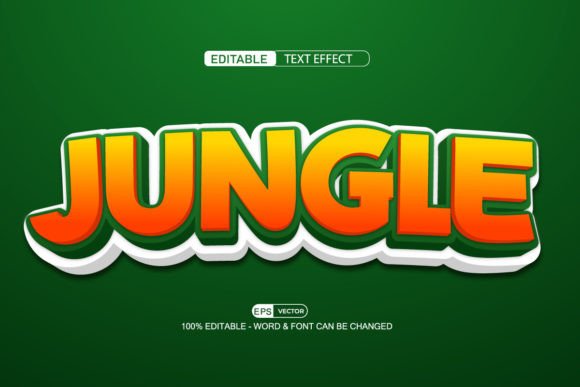
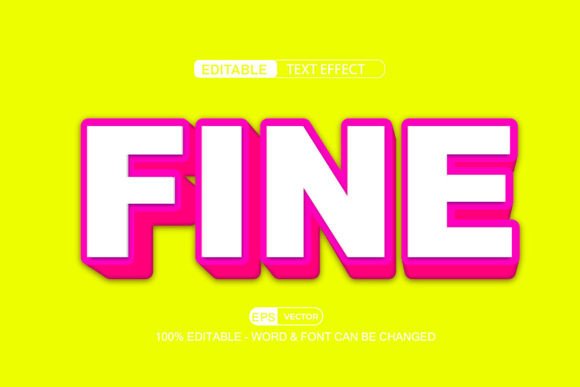
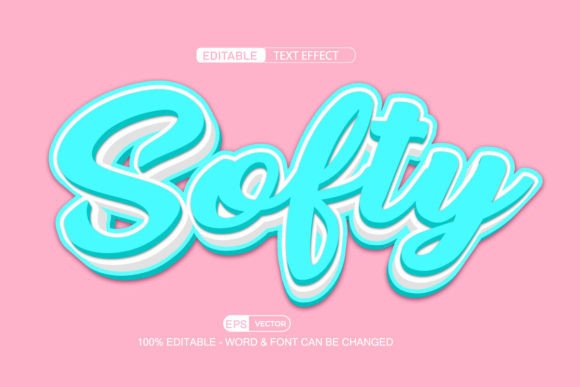
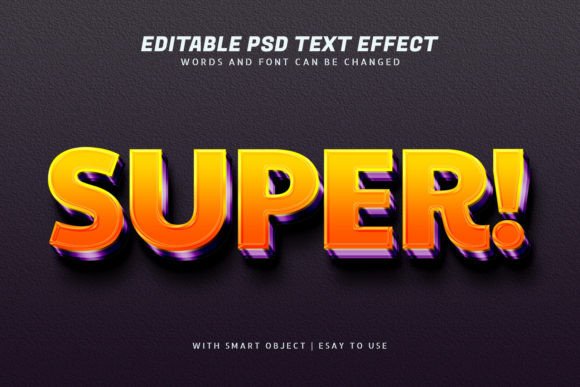
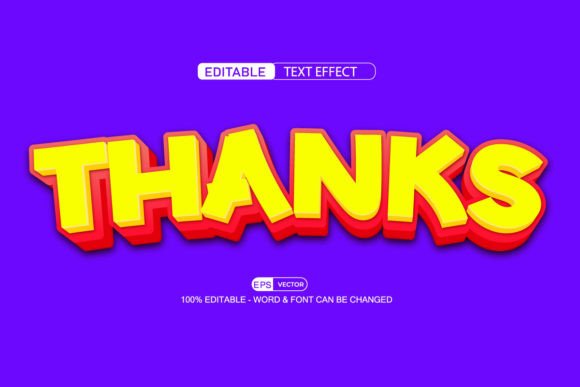
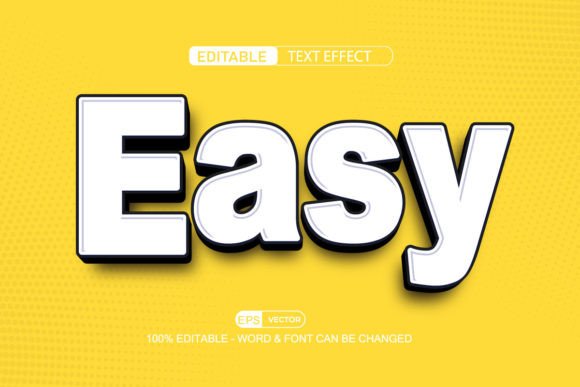
The Easy 3d Editable Text Effect Vector is essentially a scalable vector graphic (SVG) or Adobe Illustrator-compatible design (EPS file) that features a three-dimensional text effect. Unlike static images, these vectors are fully editable, allowing you to modify every aspect of the text—font, size, color, shape, and even lighting effects—without losing quality. The "just click and edit" nature makes them especially useful when you need quick iterations or customizations tailored to specific project needs.
These vectors are commonly used in graphic design for logos, headers, promotional banners, website graphics, and print materials. Their 3D appearance adds a dynamic touch that flat text often lacks, helping to draw attention and enhance visual storytelling.
Integrating into Pre-Project Planning
Before diving into any design task, it’s important to plan how you’ll incorporate visual elements like 3D text. When considering the Easy 3d Editable Text Effect Vector, think about its role early in the planning phase. For instance, if you’re designing a new product launch poster, you might decide upfront that the headline will feature a bold 3D text effect to stand out from competitors' materials.
Here's how you can use this vector before a project begins:
- Define the message: Identify the key phrase or slogan you want to highlight using 3D text. This could be your brand name, a tagline, or a call-to-action.
- Choose the right tone: Select a 3D text effect that matches the emotional tone of your project—whether it's playful, professional, elegant, or edgy.
- Match the background: Many templates include a cute background or other visual elements. Ensure the background complements your overall design aesthetic and doesn’t clash with the text effect.
During the Creative Process: Making It Work for You
Once you’ve decided to use an Easy 3d Editable Text Effect Vector, the next step is to bring it into your design workflow. These files are typically provided as EPS files, which work seamlessly with Adobe Illustrator. Here’s what you need to know about using them effectively during your creative process:
- Open the file in Adobe Illustrator: Start by importing the EPS file into your workspace. You'll find all the text layers are unlocked and ready for editing.
- Edit freely: Change the font, size, spacing, or color of the text. Since it's vector-based, scaling won't affect clarity or resolution.
- Customize the 3D effect: Adjust the depth, shadows, highlights, and perspective to suit your project’s requirements. Some templates allow you to tweak light sources or surface textures for added realism.
- Combine with other assets: Overlay the 3D text onto images, icons, or illustrations to create a cohesive visual composition. Its layered structure ensures easy alignment and blending.
One practical tip is to duplicate the text layer before making major changes. This gives you a backup and allows you to experiment without fear of messing up the original design.
Post-Implementation: Refining and Exporting
After you've applied the 3D text effect and integrated it into your design, it’s time to finalize and export. This stage is where attention to detail matters most. Let’s look at some considerations to ensure high-quality results:
- Check compatibility: If you're handing off the file to someone else, confirm they have access to Adobe Illustrator or a compatible vector editor. Otherwise, consider exporting to SVG or PDF formats for broader accessibility.
- Optimize for different platforms: If your final output includes web use, resize and optimize the image accordingly. For print, maintain CMYK color profiles and high-resolution settings.
- Maintain consistency: If multiple designers are involved, keep the same font styles and color palettes across all materials to preserve brand identity.
When exporting, also consider the background included in the template. If it’s not needed for the final piece, you can easily delete or replace it with a solid color or gradient. This adaptability ensures the vector fits perfectly into various contexts, such as digital ads, presentations, or packaging designs.
Workflow Examples and Use Cases
Let’s explore a few real-world scenarios where the Easy 3d Editable Text Effect Vector can make a difference:
Marketing Collateral
When creating brochures, flyers, or posters for a campaign, adding a 3D text effect can help emphasize your core message. For example, a fitness company launching a new line of protein bars might use a metallic 3D text effect for the headline “Fuel Your Journey” to convey strength and modernity.
Social Media Graphics
For platforms like Instagram or Facebook, eye-catching visuals are essential. A 3D text effect can serve as the focal point of your post. With a cute background, it becomes perfect for lifestyle brands or influencers looking to create a warm, inviting atmosphere.
Website Headers and Logos
Websites often rely on strong header designs to guide users and reinforce branding. Using a 3D text vector can give your site a polished, modern feel. Just remember to keep file sizes manageable for fast loading times, especially if the text is animated or interactive.
Printed Merchandise
Whether you're printing t-shirts, mugs, or stickers, the ability to scale the Easy 3d Editable Text Effect Vector without loss of quality is a big advantage. You can adjust the size to fit different products while maintaining the visual impact of the 3D effect.
Enhancing Usability and Organization
To get the most out of the Easy 3d Editable Text Effect Vector, it’s important to organize your design files properly. Name your layers clearly, group related elements together, and save versions as you go. This approach helps streamline future edits and keeps your workflow efficient.
Additionally, consider how these vectors interact with other tools and platforms. If you're using Canva or another drag-and-drop design tool, you may need to convert the vector into a PNG or JPEG format first. However, in Adobe Illustrator, you retain full control over each element, enabling more precise customization.
Quality Control and Long-Term Use
Even though these vectors are labeled as “easy,” it’s still important to review your work carefully. After applying the 3D effect, zoom in to check for misaligned layers or inconsistencies in lighting and shadow. A small oversight can distract from the overall professionalism of your design.
For long-term use, store the original EPS file in a well-organized folder alongside any supporting assets. This makes it easier to reuse or revise the design later. If you frequently use similar text effects, build a library of preferred templates to speed up future projects.
Why Choose an Easy 3D Editable Text Effect Vector?
There are several reasons why this type of vector stands out in today’s design landscape:
- Time efficiency: Instead of manually creating a 3D text effect from scratch, you can use a pre-designed template and customize it quickly.
- Professional appearance: High-quality 3D effects are often associated with advanced design skills. Using a template allows you to achieve that look without extensive training.
- Flexibility: With 100+ editable options available, you can tailor the text to match your brand, audience, or project theme.
- Scalability: As a vector, the design remains crisp and clear at any size, making it suitable for both digital and print applications.
Best Practices for Implementation
To integrate the Easy 3d Editable Text Effect Vector smoothly into your workflow, follow these best practices:
- Use non-destructive editing techniques: Keep effects separate from base text layers so you can modify or remove them later without starting over.
- Test on different backgrounds: Before finalizing, place the text effect on a few different mockups to see how it looks under various conditions.
- Stay within platform limitations: If using the vector in online tools or third-party software, verify that all features are supported and compatible.
- Document your changes: Especially if working in a team, keeping notes on which fonts, colors, and effects were used can prevent confusion down the line.
Another consideration is licensing. Make sure the vector you’re using comes with the appropriate rights for commercial or personal use, depending on your project’s goals.
Real Workflow Integration Tips
Imagine you're preparing a birthday card design for a client. Here's how the Easy 3d Editable Text Effect Vector could fit into your process:
- Start with the message: Decide on the main text, such as “Happy Birthday” or a personalized greeting.
- Select the template: Pick a 3D text vector with a cute background that aligns with the recipient’s taste or the event’s theme.
- Customize the details: Change the font to something whimsical or elegant, adjust the size to fit the card layout, and tweak the colors to match the overall design scheme.
- Export and deliver: Once finalized, export the file in the required format and provide it to the client or print vendor.
This kind of structured yet flexible approach helps ensure your design meets expectations while staying true to your creative vision.
Conclusion
The Easy 3d Editable Text Effect Vector is more than just a decorative element—it’s a strategic asset in your design toolkit. By understanding how to use it effectively throughout your workflow—from initial planning to final delivery—you can create compelling visuals that communicate your message clearly and professionally.
With the ability to change words, fonts, and sizes effortlessly, these vectors offer a balance between creativity and practicality. Whether you're an educator designing presentation slides, a marketer crafting a campaign, or a freelancer building a portfolio, integrating this tool into your routine can streamline your process and enhance your outcomes.