What Is a Fine 3D Editable Text Effect Vector and How Can It Enhance Your Design Workflow?
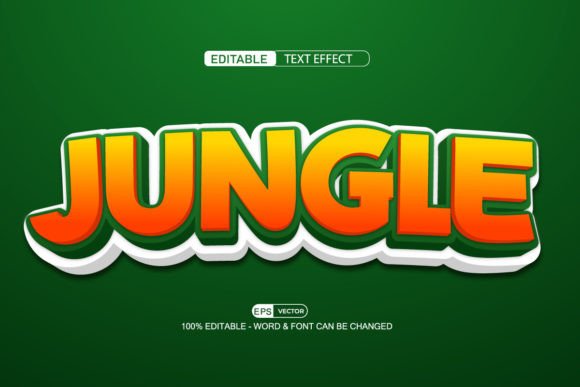
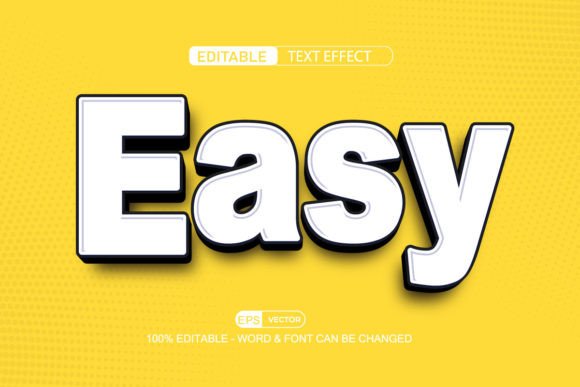
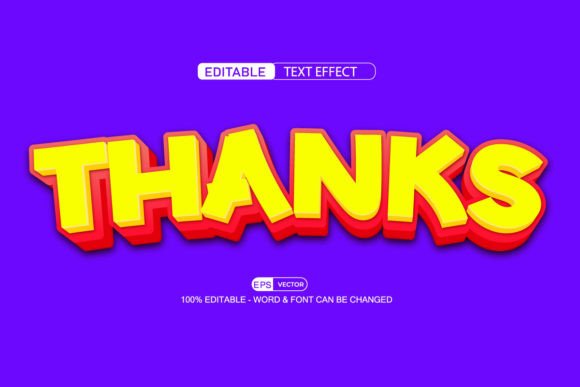
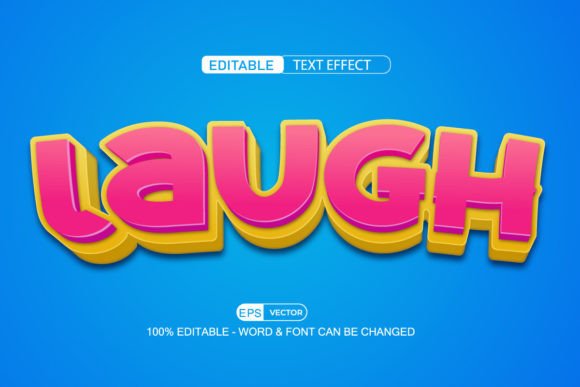
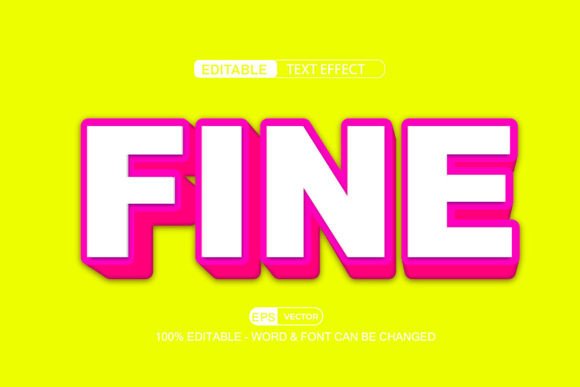
A Fine 3D Editable Text Effect Vector is a specialized digital design file that combines typography with three-dimensional visual effects in a scalable vector format. These files are typically used in graphic design software such as Adobe Illustrator, where users can modify the text, fonts, sizes, colors, and even the 3D elements without losing quality. The term "Fine" suggests high precision and attention to detail, making it suitable for professional or creative applications that demand polished aesthetics.
Key Features of a Fine 3D Editable Text Effect Vector
The main characteristics of this type of vector file include:
- Editable Text: Users can change the words, phrases, or sentences directly within the file, allowing for customization without needing advanced 3D modeling skills.
- Adjustable Fonts and Sizes: The design supports font changes, so you can experiment with different styles while maintaining the 3D effect.
- Vector-Based Format (EPS): As an EPS file, it offers scalability without quality loss, which is essential for both print and digital use.
- 3D Effects: These vectors often include extrusion, beveling, shading, and lighting to give the text a lifelike appearance.
- Easy To Edit: With features like "just click and edit," they streamline the design process, enabling quick adjustments for time-sensitive projects.
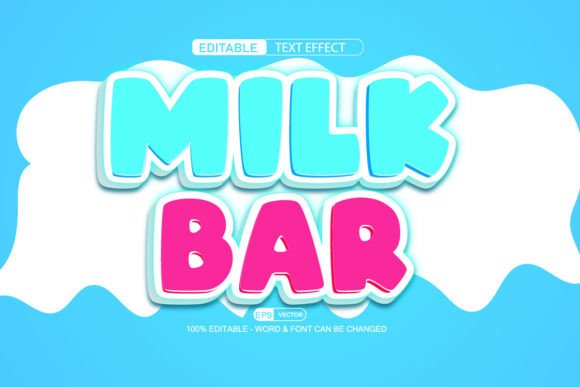
- Cute Backgrounds: Some versions come with charming or whimsical backgrounds, adding an extra layer of visual appeal and thematic consistency.
How It Stands Out from Other Text Effect Options
While there are numerous text effect templates available online, the Fine 3D Editable Text Effect Vector distinguishes itself through several key advantages. Unlike standard raster images, these vector files maintain crisp edges at any size, ensuring versatility across various media types. They also differ from pre-made 3D renderings, which are often static and not customizable beyond color or placement.
Compared to basic editable text layers in Photoshop or InDesign, a Fine 3D Editable Text Effect Vector provides more depth and dimensionality. This makes it ideal for designers who want to create eye-catching headers, logos, or promotional materials but lack the tools or expertise for full 3D modeling. Additionally, the inclusion of a cute background in some versions adds a unique flair, especially beneficial for social media graphics, greeting cards, or branding projects aimed at younger audiences or niche markets.
Strengths and Best-Fit Use Cases
The strengths of using a Fine 3D Editable Text Effect Vector lie in its flexibility and ease of use. It allows for rapid prototyping and personalization, making it particularly useful in the following scenarios:
- Marketing Materials: For creating posters, banners, or flyers with dimensional text that stands out.
- Social Media Content: When designing posts that require a vibrant yet clean aesthetic, especially for platforms like Instagram or Pinterest.
- Logo Concepts: Offering a modern and stylized approach to logo creation without complex software.
- Event Invitations or Greeting Cards: Adding a playful touch with the included cute background options.
- Educational or Presentational Slides: Providing engaging visuals that draw attention and support message clarity.
Limitations and Tradeoffs
Despite its many benefits, this type of vector file does have some limitations. First, while it simplifies the editing process, it may not offer the same level of control as fully custom 3D modeling in software like Blender or Cinema 4D. The 3D effects are usually pre-built into the template, limiting how much you can tweak lighting, shadows, or perspective manually.
Second, if your project requires highly specific animations or interactive elements, a static 3D text effect might fall short. These files are best suited for print and web-based designs rather than motion graphics or video content.
Additionally, the presence of a cute background might not align with all design needs. While it enhances charm and creativity, it could clash with minimalist or corporate themes. Designers should consider whether the background complements their overall style before incorporating it into their work.
When to Choose a Fine 3D Editable Text Effect Vector
This resource is particularly well-suited for professionals and hobbyists who value efficiency and visual impact. If you're working on a project that requires bold, attractive typography but doesn't demand intricate 3D animation, then a Fine 3D Editable Text Effect Vector can save time while delivering a premium look.
It’s also an excellent option for those who are new to Adobe Illustrator or similar tools. Since the file includes built-in effects and easy-to-edit layers, it serves as a learning aid by demonstrating how 3D text can be structured and modified within a vector environment.
Alternatives to Consider
If your needs go beyond what a pre-designed 3D text vector offers, you might explore other formats or approaches:
- Custom 3D Modeling: For maximum flexibility, building your own 3D text in dedicated software like Blender or Maya gives complete control over every aspect of the design.
- SVG Files: Similar to EPS files, SVG (Scalable Vector Graphics) allows for scalable text effects and can be used in web design contexts more easily.
- Layered PSD Files: These are great for designers who prefer working in Photoshop and need layered effects, though they aren’t as scalable as vector files.
- Flat Design Text Templates: For simpler, modern, or minimalistic projects, flat text effects might be more appropriate and faster to implement.
- Animated Text Effects: If your goal is to add movement to the text, after-effects templates or animated GIFs could serve better, depending on the platform.
Each alternative has its place, and the choice depends on the project's scope, technical requirements, and the designer’s skill set.
Real-World Applications and Examples
Here are a few practical examples of when a Fine 3D Editable Text Effect Vector might be used effectively:
- Product Packaging: A boutique brand selling handmade jewelry uses a 3D text vector with a pastel, cute background for their packaging labels to evoke a sense of warmth and personality.
- Website Headers: A lifestyle blog employs a 3D text vector to create a dynamic header image for their monthly feature articles, enhancing visual interest without slowing down page load times.
- Printed Merchandise: An independent artist sells T-shirts with 3D text vectors printed on them, leveraging the editable nature to allow customers to personalize their shirts with names or short messages.
- Invitation Designs: A wedding planner integrates a 3D text vector into digital invitations, adjusting the wording and colors to match the couple's theme while maintaining a professional finish.
Decision Factors for Choosing the Right Tool
To determine whether a Fine 3d Editable Text Effect Vector is the right fit, consider the following factors:
- Project Complexity: If you need a simple, elegant 3D text effect, this vector file is likely sufficient. However, for advanced 3D manipulation, you may need to invest in modeling software.
- Software Compatibility: Ensure that the file format (typically EPS) works seamlessly with your preferred design application, such as Adobe Illustrator or CorelDRAW.
- Time Constraints: If you're under tight deadlines, the ready-to-use nature of these templates can significantly reduce production time compared to starting from scratch.
- Target Audience: A cute background might resonate well with children's products, fashion brands, or entertainment sectors, whereas a more serious tone might require a plain or abstract backdrop.
- Budget: These templates are generally affordable and cost-effective for small businesses or individual creators looking to elevate their designs without hiring a 3D artist.
Comparative Insights: Why This File Type Works Well
Compared to other common text effect resources, the Fine 3D Editable Text Effect Vector strikes a balance between simplicity and sophistication. Here’s a quick comparison:
- vs. Standard Font Files: Offers enhanced visual appeal with integrated 3D effects, but lacks the ability to animate or scale freely beyond font limits.
- vs. Raster Image Text Effects: Maintains quality at any resolution, making it suitable for large-scale printing and high-definition displays.
- vs. Fully Custom 3D Models: Saves time and effort while still providing a professional look, though it sacrifices the deep customization possible in modeling software.
- vs. Animated Text Effects: Static by nature, but ideal for non-motion-based designs where performance is a concern.
These comparisons highlight why the Fine 3D Editable Text Effect Vector is often chosen for mid-level design needs—where visual impact matters but development time must remain efficient.
Final Thoughts on Selecting the Right Design Resource
In summary, a Fine 3D Editable Text Effect Vector is a versatile tool that bridges the gap between basic typography and complex 3D artistry. Its editable features make it accessible to beginners and valuable to professionals alike, especially when paired with a cute background for added visual harmony.
However, it's important to weigh your project's specific requirements against the capabilities of the file. If you need full 3D rendering or animation, a different solution may be more appropriate. Conversely, if you’re seeking a stylish, customizable text effect that integrates smoothly into existing workflows, this vector file could be exactly what you need.
Ultimately, the decision comes down to balancing creativity, efficiency, and technical suitability. By understanding the strengths and limitations of a Fine 3D Editable Text Effect Vector, you can choose the most effective resource for your next design project.